
Why Golfers Get Injured After a Break
and How to Avoid It
Returning to golf after a long break can be one of the most common times a golfer will experience an injury. Whether the time off was due to work, travel, or a very long winter break, many golfers jump straight back into full rounds and long-range sessions which can lead to potential injuries. But with the right approach these injuries are largely preventable. Whether your goal is a lower handicap or just being able to get out to enjoy a few more pain-free rounds in the season, there are many ways physiotherapy can help!
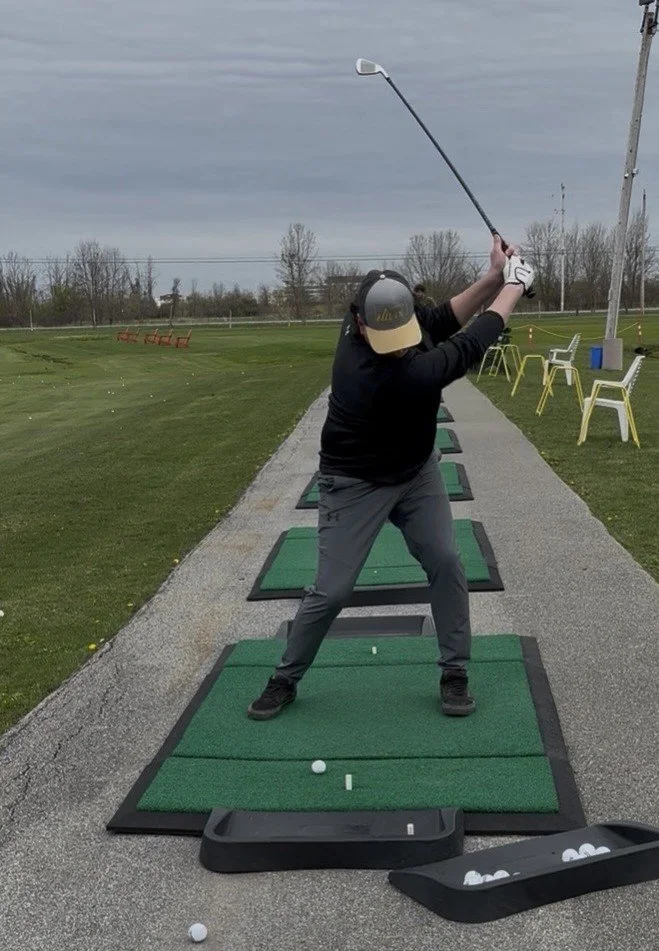
The offseason
Taking time away from golf has an impact on our bodies. Studies have shown that muscles can show signs of deconditioning a mere three to four weeks after changes to our usual activities. Golf is a game that requires high levels of skill, hand-eye coordination, flexibility, cardio, muscular strength and endurance and places repeated rotational forces through the shoulders, hips, spine and arms. If golf is reintroduced too quickly, the tissues can become irritated before they have had the chance to adapt to the new loads. Most often these injuries are caused by overuse of muscles and joints, poor body mechanics and compensations.
Common Injuries Seen After Returning to Golf
The most common sites for injuries for amateur golfers occur in the elbow, followed by the low back and shoulder including:
Golfer’s elbow from increased gripping and forearm loading
Lower back pain from reduced tolerance to rotation and repeated swings
Shoulder or upper back stiffness from reduced mobility or activity
Hip pain due to limited movement and reduced strength
How to Return to Golf Safely After Time Off
Often, golfers feel fine during the first round or session. Symptoms then appear later that day or the following morning or days later. The key to avoiding injury is gradually rebuilding your body’s tolerance to golf.
1. Manage the load- build volume gradually
It is hard not to jump right back into golf as soon as the courses are open. Load management is finding the right balance to prevent injury.
Small gradual, progressions in volume and intensity help your tissues adapt safely and reduce the risk of fatigue and injury.
Pro Tip: Track your weekly swings, rounds, and driving range sessions. Try to maintain increases in your workload from one week to the next of less than 10-20%
3. Improve mobility and flexibility where needed
Stiff hips and upper back can often lead to putting extra stress on the lower back and arms leading to potential injury
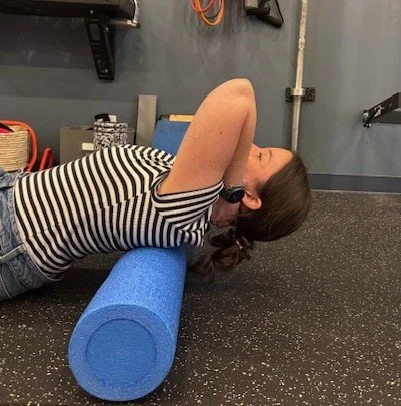
Dynamic stretches warm up your muscles and improve mobility before hitting the tees. Post-game, static stretches increase flexibility and reduce muscle stiffness. Yoga and myofascial release can be great adjuncts as well.
Physio tip: Incorporate self-myofascial release, static and dynamic stretches for the most
comprehensive mobility program
Schedule an active rest day between rounds with light activity such as cycling, walking or swimming can be helpful
Listen to your body- if something doesn’t feel right during a round, stop and adjust. If the pain persists after activity modification it may be time for a rest.
Physio tip: Consider recovery just as vital as other elements to your training program.

2. Prioritize a warmup
A short warm up helps prepare you for your round. Without a warmup the risk of injury increases due to limited joint mobility, cold muscles, reduced blood flow, poor muscle activation, reduced coordination and stability.
Physio tip: Spend 10-20 minutes before golfing getting your body moving. A thorough golf warm-up should include dynamic stretches for the shoulders, hips, and upper back, light activation work for your glutes and core, and a few slow practice swings to ease into your full range.
4. Reintroduce strength training
A strengthening routine for the hips, core and upper body can greatly improve force efficiency, power and swing mechanics.
Make sure to progress your strength and mobility routines to match the increase as you add a second or third weekly round.
Physio tip: Reduce your resistance weights by 15-20% and build back up slowly
5. Addressing Early Signs of Injury
Never ignore those small aches and pains that show up. Sharp pain, increasing soreness, or pain that worsens after each session is a sign you may be progressing too quickly.
Early assessment and intervention with a physiotherapist can help uncover the cause of the pain and prevent further or recurring injuries.
Physio tip: If pain lasts more than a week or keeps returning, have it assessed. Early intervention can often prevent you from missing weeks or months off the course.
6. Rest & Recovery
Recovery is an active and dynamic process. It helps your body to repair and improves your performance. Proper hydration, sleep, static stretching and mobility programs, massage and physiotherapy can all be integral parts of recovery

Golf is a dynamic, multisystem sport that requires adequate strength, mobility, flexibility, cardiovascular fitness and endurance. By managing your load, maintaining strength and mobility, and addressing issues early, you’ll give yourself the ability to continue playing the sport you love for years to come. A personalized golf physiotherapy assessment can help you to feel your best both on and off the green!
Cassie Eckford BScH, MScPT
References:
Moore, J., Cai, G., Kanwar, K., DuBois, A., & Salem, G. (2024). The Lower-Extremity Biomechanical Demands of Golf Play in Older Adult Novices. International Journal of Golf Science
Stodelle, J. (2023). Physical Therapist Management of the Golfer. Academy of Orthopaedic Physical Therapy
Thomas Z, Wilk K. (2023) The Golfer’s Fore, Fore +, and Advanced Fore + Exercise Program: An Exercise Series and Injury Prevention Program for the Golfer. International Journal of Sports Physical Therapy
Cochran, S et at. (2012). Golf Fitness Specialist Course Manual. National Academy of Sports Medicine