
Imaging And
Physiotherapy
Imaging Results & Pain
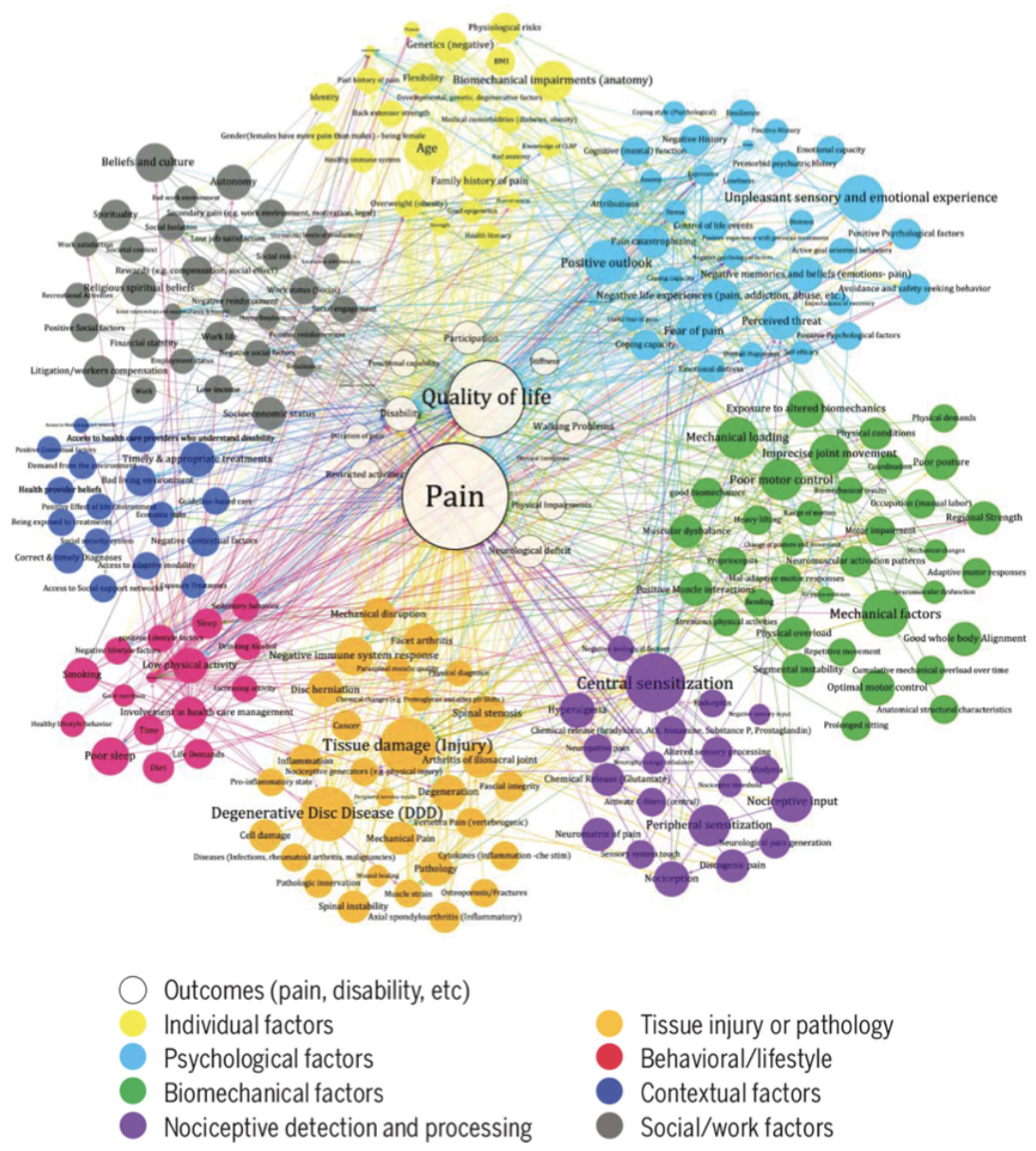
Research has shown that imaging findings are not as well linked to pain as we once thought. In fact, many people without any pain will have structural changes show up on imaging. Changes to body structure are not the only contributing factor to pain. We now know that pain has multiple origins, including lifestyle factors such as activity levels, stress and sleep. Your physiotherapist can help you identify what may be influencing your pain.
Do I need an x-ray before coming to physiotherapy?
In most cases you do not need an x-ray before seeing your physiotherapist. However, if you suffered a trauma or specific accident, it can be beneficial to rule out fractures prior to starting physiotherapy. For lower body injuries, if you are unable to weight bear due to extreme pain, this is often a good indicator. If in doubt, your physiotherapist will be able to advise you during your initial assessment.
Do I need an MRI before starting physiotherapy?
An MRI is not needed before starting physiotherapy except in very rare cases. Having an MRI performed often won’t change the course of treatment. MRI wait times are unfortunately quite lengthy right now and waiting for this result before starting physiotherapy could result in longer recovery periods.
What if my symptoms are not improving?
If after 4-6 weeks of physiotherapy, there is no improvement in your pain or there is worsening of your pain, your physiotherapist may want to have your doctor order imaging to further investigate or rule out a specific injury. If needed, your physiotherapist can provide you with a note for your doctor with an explanation as to why the imaging is being requested.
KEY TAKEAWAY:
It is rare that you should wait until imaging is done prior to consulting your physiotherapist. An important part of our treatment plan involves education on what to avoid and modify to help reduce your pain.
Jillian Boothby BScH, MScPT
References:
Bachmann L.M., Kolb E., Koller M.T., Steurer J., Riet G. (2oo3) Accuracy of Ottawa ankle rules to exclude fractures of the ankle and mid-foot: systematic review. British Medical Journal, 326:417
Brinjikji, W., Luetmer, P. H., Comstock, B., Bresnahan, B. W., Chen, L. E., Deyo, R. A., Halabi, S., Turner, J. A., Avins, A. L., James, K., Wald, J. T., Kallmes, D. F., & Jarvik, J. G. (2015). Systematic Literature Review of Imaging Features of Spinal Degeneration in Asymptomatic Populations. American Journal of Neuroradiology, 36(4), 811–816
Cholewicki J, Breen A, Popovich JM Jr, Reeves NP, Sahrmann SA, van Dillen LR, Vleeming A, Hodges PW. Can Biomechanics Research Lead to More Effective Treatment of Low Back Pain? A Point-Counterpoint Debate. J Orthop Sports Phys Ther. 2019 Jun;49(6):425-436.
Girish, G., Lobo, L. G., Jacobson, J. A., Morag, Y., Miller, B., & Jamadar, D. A. (2011). Ultrasound of the Shoulder: Asymptomatic Findings in Men. American Journal of Roentgenology, 197(4)
Nakashima, H., Yukawa, Y., Suda, K., Yamagata, M., Ueta, T., & Kato, F. (2015). Abnormal Findings on Magnetic Resonance Images of the Cervical Spines in 1211 Asy0mptomatic Subjects. Spine, 40(6), 392–398.