What is TMJ ?
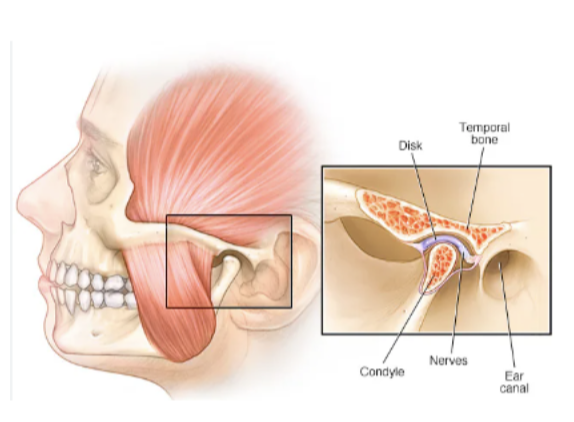
You may have heard of the TMJ or TMD - but what does it mean? TMJ is an acronym used for the temporomandibular joint. The TMJ is made up of the joints that connect our temporal bone and the mandible (the lower jaw bone), the ligaments and associated structures like the disc. TMD or temporomandibular disorder is a term used to describe the group of disorders pertaining to the TMJ and the associated jaw and facial muscles that can cause pain and dysfunction. It is estimated that approximately 1 in 10 people have experiences at least one sign of TMD!
WHAT ARE THE SYMPTOMS
TMD symptoms can range from:
Mild to severe pain in the jaw and the face
Limited opening of the jaw
Clicking, popping or locking of the jaw
Difficulty eating or speaking
Headaches
WHAT CAUSES THE PAIN
Did you know that on average we experience between 2000 to 2500 jaw movements everyday! This can significantly impact someone’s ability to perform basic daily life activities like chewing and speaking very difficult.
There are two main types of TMJ disorders - muscular or joint related. Most often the pain is muscular in nature and affects the chewing muscles, which include the masseter, the temporalis, and the pterygoid muscles. The muscular type of TMD can be related to overuse of the chewing, muscular trigger points, or postural and neck contributions. The joint related type of TMD can be caused by injury, osteoarthritis, rheumatoid arthritis, or disc problems. Previous history with dental treatments, sports injuries, whiplash and motor vehicle accidents can also contribute to both types of TMD.
WHO SHOULD BE ASSESSED
Who is appropriate to be evaluated for TMJ dysfunction? Anyone who is experiencing
Headaches -particularly in the temporal region (located over your temples/ above the ears)
Experiencing pain and clicking around the jaw
Feelings of ‘fullness’ in the ear
Stiffness or pain in the neck
HOW CAN PHYSIOTHERAPY HELP?
Since the TMD can affect the muscles, bones and joints physiotherapy can help to alleviate TMJ symptoms. The physiotherapy treatment will focus on relieving the pain, improving neuromuscular coordination and improving the joint’s range of motion. Common treatments can include:
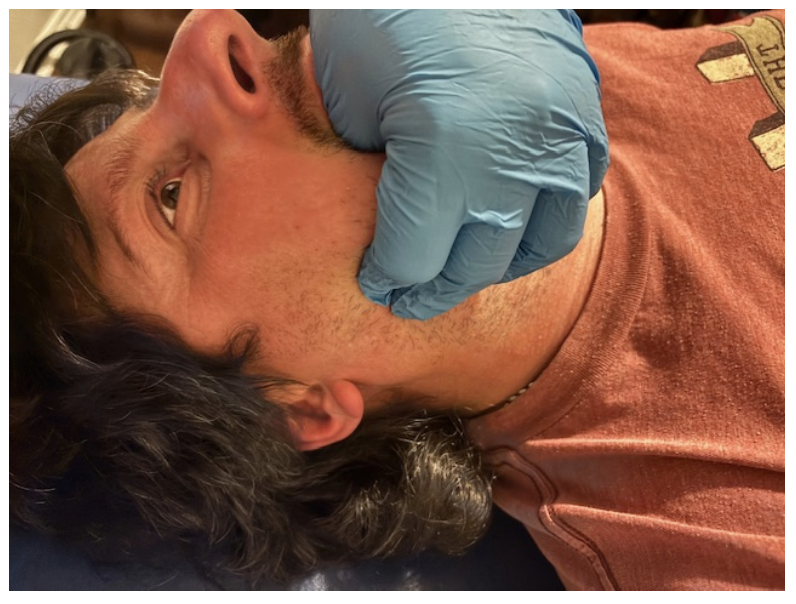
Manual therapy joint mobilizations
Soft tissue release
Therapeutic exercise program
Functional dry needling
Education
WHAT CAN YOU DO BEFORE YOUR ASSESSMENT
If you are experiencing TMD symptoms here are some helpful tips and tricks to try before your assessment.
DO’s
✅ Wear your mouth guard at night if prescribed by dentist – this can help to reduce clenching at night
✅ When yawning, support the bottom jaw with index finger if opening wide caused pain
✅ Sit up tall, especially when eating and while sitting at your desk
✅ Keep teeth about 2mm apart when resting – a space between helps alleviate pressure
✅ Rest the tongue on the roof of the mouth behind the front teeth as much as possible
✅ Keep mouth closed with the lips lightly touching to promote nasal breathing
DONT’s
❌ Avoid chewing heavy meats, hard nuts, raw carrots etc. or anything that hurts
❌ Avoid prolonged slouching and a forward head position while sitting
❌ Avoid taking big bites into burgers, apples etc.
❌ Limit chewing gum, pens, necklaces, etc.
❌ Avoid intentionally clicking the jaw and clenching the teeth together
❌ Stop nail biting
❌ Try to avoid resting the chin on the hand
❌ Limit ear buds or ear plugs to less than two hours per day
REclaim Physiotherapy is here to determine if TMJ Physiotherapy is right for you.
Cassie Eckford BScH, MScPT
References:
Gonzalez-Sanchez B et al. (2023). Temporomandibular Joint Dysfunctions : A Systematic Review of Treatment Approaches. Journal of Clinical Medicine.
Chandra Patra R et al. (2025). Multimodal physical therapy approach for the management of patients with temporomandibular disorder: Randomized control trial. Journal of Oral Biology and Craniofacial Research.
Penteado Kapos F et al. (2020). Temporomandibular disorders: a review of current concepts in aetiology, diagnosis and management. Journal of Oral Surgery.
Bahram Jam, Advanced Physical Therapy Education Institute (APTEI): APTEI: Temporomandibular Joint (TMJ) Management- Embodia